

Paver walkways and patios
Front walks, side paths and back patios on a compacted base with edge restraint and swept joints.
Paver walkways and patios, concrete steps and stoops — the ground the fence stands on.
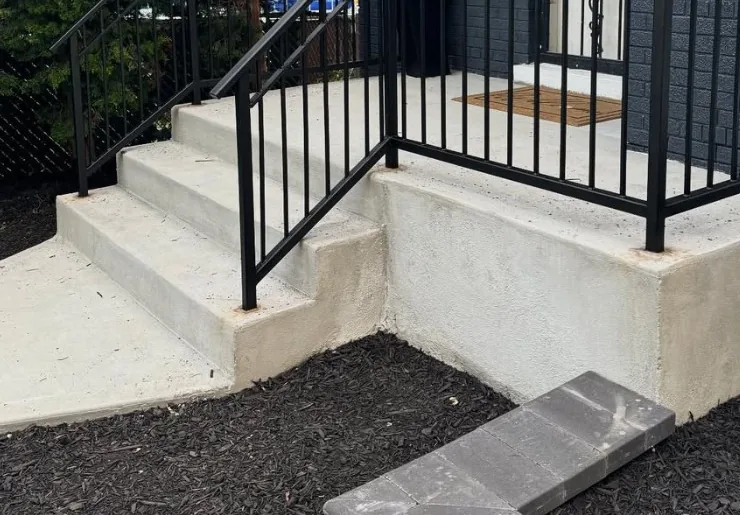
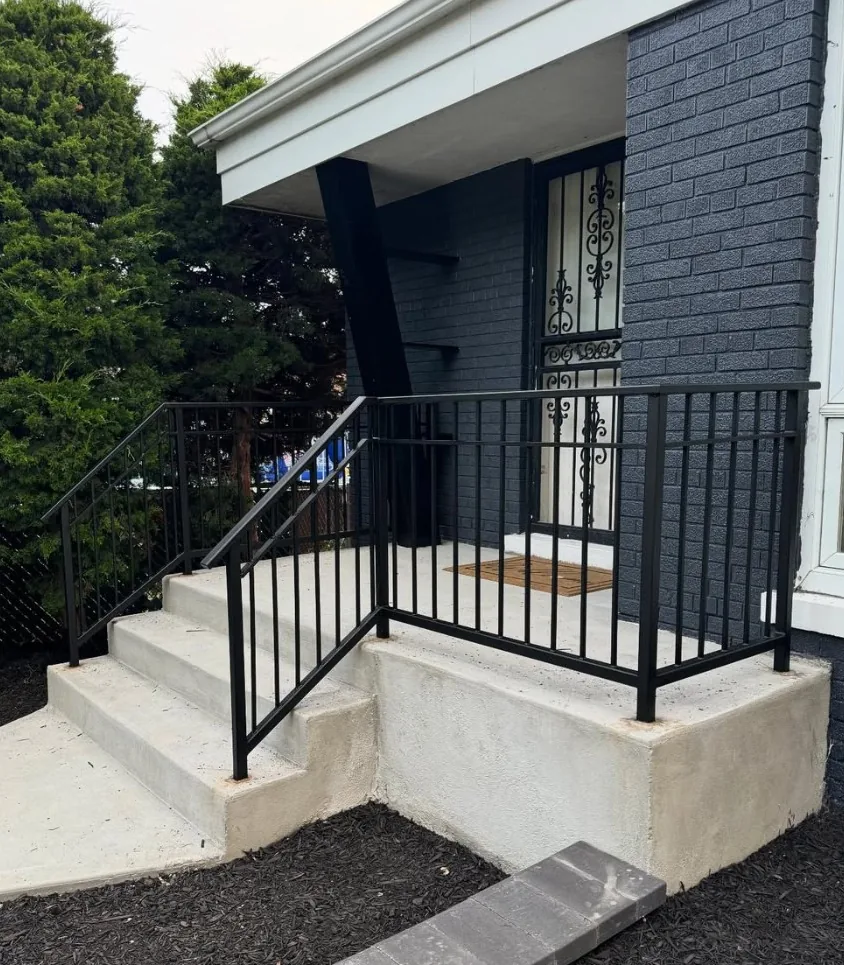
Hardscaping is on the logo because it has always been half the work. A fence closes a yard in; the walkway, patio and steps are what make the yard usable once it is closed. We pour concrete steps and stoops, lay paver walkways and patios, and do the grading and base prep underneath them.
In Chicago that base is the whole job. Clay soil holds water, water freezes, and anything set on a thin bed of sand moves the first winter. We dig to depth, compact in lifts, and pitch the surface so water runs away from the foundation instead of standing against it.
Options & styles
Front walks, side paths and back patios on a compacted base with edge restraint and swept joints.
Poured steps, landings and stoops — often the same job as the railing that goes on top of them.
Garage aprons, alley pads and parking surfaces built for the weight of a vehicle rather than foot traffic.
Base prep, pitch and surface drainage so the new work sheds water instead of collecting it against the building.
What to expect
The same sequence on every project, from a forty-foot back-yard run to a commercial lot.
We walk the property with you, measure the run, talk through height, material and where the gates want to go, and put a written price in your hands. No charge and no obligation.
You pick the material and style. We mark the line you want the fence to follow, and utility locates get called before anyone puts a shovel in the ground.
Posts set to depth and plumbed, below the frost line where we are digging, or anchored to base plates where we are working on concrete. This is the part nobody sees and the only part that decides whether the run is still straight in five years.
Panels are hung to the grade of your yard rather than dropped flat on top of it, and steel work is fabricated to the measurements we took on site.
Gates hang on their own reinforced posts. Hinges, latches and drop rods get adjusted until the gate swings clean and closes on its own line.
Old fence and debris hauled out, the work area swept, and a walk of the finished job with you before we leave.
Material notes
Why people choose it
FAQ
Pavers flex with the ground and can be lifted and reset if a section settles; poured concrete gives you an uninterrupted surface but cracks where it moves. For steps and stoops we usually pour. For walks and patios, either can be right, and we will tell you which we would choose for your yard.
Almost always because the base under them was too thin or was never compacted properly. Digging deeper and compacting in lifts costs more on day one and is the only thing that prevents it.
Yes. Demolition, haul-away and disposal of the old surface can be part of the same job and the same estimate.
That is the ideal way to do it. Grading, footings and paving get sequenced in the right order, and you deal with one crew and one schedule instead of two.
Free estimates
Send us the details and we will arrange a time to come measure. No charge and no obligation — and if you would rather talk it through, the phone is faster.
Other services
Where we build it
We install hardscaping and paver work throughout Chicago and the surrounding suburbs. Pick your town for what the work usually looks like there.